
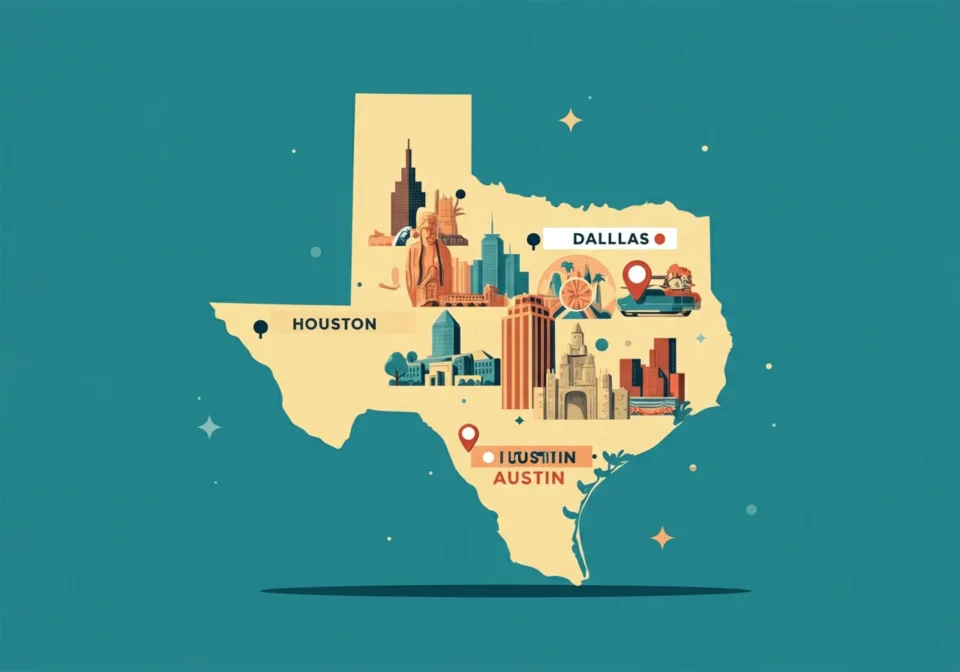
Deciding to move within Texas opens up a world of possibilities, with each major city offering a distinct culture, economy, and real estate market. Three of the state’s brightest stars—Houston, Dallas, and Austin—are top contenders for anyone seeking a new place to call home. Understanding their unique property landscapes is the first step toward making an informed decision. By diving into the multiple listings of each city, you can uncover trends and opportunities that align with your lifestyle and financial goals.
This guide will compare the real estate markets of Houston, Dallas, and Austin. We will explore what makes each city’s property listings unique, from housing styles and pricing to neighborhood vibes and economic drivers. Whether you are searching for a bustling urban core or a quiet suburban retreat, this comparison will help you navigate your options for your next move.
Houston: A Sprawling Metropolis of Opportunity
Houston is the largest city in Texas, known for its massive geographic footprint, diverse population, and powerful economy driven by the energy, healthcare, and aerospace industries. Its real estate market reflects this scale and diversity, offering a wide array of housing options that are often more affordable than those in Austin or Dallas.
What to Expect from Houston Listings
When you browse Houston’s real estate listings, you will notice a significant variety in property types. The city’s lack of traditional zoning laws has led to a unique mix of residential, commercial, and industrial properties coexisting. This results in everything from modern townhomes in a business district to sprawling single-family homes in master-planned communities.
Listings frequently feature single-family homes with generous square footage and yard space, especially in suburban areas like The Woodlands, Katy, and Sugar Land. Inside the “610 Loop,” which encircles the urban core, you’ll find a higher concentration of condos, townhouses, and historic bungalows in neighborhoods like The Heights and Montrose. These areas are popular for their walkability, vibrant arts scenes, and proximity to downtown.
Real Estate Trends and Affordability
Historically, Houston has been one of the most affordable major metropolitan areas in the country. While prices have risen, the median home price generally remains lower than in Austin and competitive with Dallas. This affordability extends to both purchasing and renting, making it an attractive destination for first-time homebuyers and families.
The market is heavily influenced by the oil and gas industry, which can lead to cycles of rapid growth and periods of stabilization. However, ongoing economic diversification has helped create a more resilient housing market. Current listings often highlight energy-efficient features, new construction developments, and homes with dedicated home office spaces, reflecting post-pandemic buyer preferences.
Lifestyle and Neighborhoods
Houston’s lifestyle is as diverse as its real estate. The city is a true melting pot, with a world-class culinary scene, renowned museums in the Museum District, and a thriving theater district. For those who enjoy the outdoors, Houston offers numerous parks, including Memorial Park and Buffalo Bayou Park, providing green oases within the urban landscape.
The sprawling nature of the city means that commuting is a significant part of daily life for many residents. As a result, listings in master-planned communities often emphasize amenities like community pools, local schools, shopping centers, and easy access to major highways.
Dallas: Modern Sophistication and Economic Power
Dallas represents a blend of modern cosmopolitanism and classic Texas ambition. As a major commercial and financial hub, the Dallas-Fort Worth (DFW) metroplex boasts a robust and diverse economy, attracting major corporate headquarters and a steady influx of new residents. The real estate market here is characterized by its polish, growth, and distinct neighborhood personalities.
What to Expect from Dallas Listings
Property listings in Dallas cater to a wide spectrum of tastes and budgets. In affluent neighborhoods like Highland Park and University Park, you’ll find luxurious estates and stately homes with price tags to match. Conversely, areas like Bishop Arts District and East Dallas offer charming historic homes, craftsman bungalows, and a more eclectic, artsy vibe.
The northern suburbs, including Plano, Frisco, and McKinney, are hotspots for growth. Listings here are dominated by new construction single-family homes in well-manicured, family-friendly communities. These areas are known for their excellent school districts, safety, and abundance of retail and recreational facilities. Urban living is also booming, with a growing number of high-rise apartments and luxury condos in Downtown, Uptown, and Victory Park, appealing to young professionals and empty nesters.
Real Estate Trends and Market Dynamics
The Dallas real estate market is known for its stability and consistent growth. Strong job creation and corporate relocations continue to fuel housing demand across the metroplex. While prices have been on an upward trend, Dallas generally offers more square footage for the money compared to Austin.
A key trend seen in Dallas listings is the emphasis on modern amenities and luxury finishes. Features like open-concept floor plans, gourmet kitchens, smart home technology, and resort-style community pools are common selling points. The market is competitive, particularly for well-maintained homes in desirable school districts, so buyers should be prepared to act quickly.
Lifestyle and Neighborhoods
Life in Dallas can be as fast-paced or as relaxed as you want it to be. The city is a paradise for shoppers, with high-end retail at NorthPark Center and the Galleria Dallas. It also has a rich arts and culture scene, anchored by the Dallas Arts District, the largest contiguous urban arts district in the nation.
For sports fans, the DFW area is home to major league teams like the Dallas Cowboys, Dallas Mavericks, and Texas Rangers. The city’s extensive park system, including Klyde Warren Park built over a freeway, provides unique urban green spaces. The DART light rail system offers a convenient way to navigate parts of the city and some suburbs, a feature often highlighted in listings for transit-oriented developments.
Austin: The Innovative and Eclectic Hub
Austin has earned a global reputation as a hub for technology, creativity, and live music. Its “Keep Austin Weird” ethos permeates its culture and its dynamic, fast-moving real estate market. The city’s incredible job growth, led by a booming tech sector, has made it one of the most in-demand places to live in the United States.
What to Expect from Austin Listings
When browsing Austin listings, the first thing you will notice is the price. Austin’s real estate market is the most expensive of the three cities, a direct result of overwhelming demand and limited housing supply. Properties here range from historic homes in central neighborhoods like Hyde Park to ultra-modern condos downtown and sprawling estates in the Westlake Hills.
The architectural styles are diverse. You’ll find mid-century modern ranches in South Austin, updated bungalows in East Austin, and new, master-planned communities in suburbs like Round Rock, Cedar Park, and Leander. Listings often emphasize lifestyle features: proximity to hiking trails, walkability to coffee shops and restaurants, or access to Lake Travis and Lake Austin. Sustainable and eco-friendly features are also popular selling points.
Real Estate Trends and Competition
The Austin market is characterized by intense competition. For years, it has been a strong seller’s market, with many homes receiving multiple offers and selling for over the asking price. While the market has shown signs of balancing, demand in desirable areas remains high.
New construction is rampant, particularly in the surrounding suburbs, as developers race to keep up with population growth. The tech boom has also fueled a surge in luxury real estate, with high-end condos and waterfront properties fetching premium prices. Investors are also very active in the Austin market, contributing to the competitive landscape for primary homebuyers.
Lifestyle and Neighborhoods
Austin’s lifestyle is centered around the outdoors, live music, and a vibrant food scene. The city is famous for its parks and greenbelts, offering endless opportunities for hiking, biking, and swimming at places like Zilker Park and Barton Springs Pool. The live music scene is legendary, with countless venues showcasing local and international talent every night of the week.
Each neighborhood has a distinct identity. South Congress is known for its quirky boutiques and eateries, while the Domain in North Austin offers an upscale live-work-play environment. The city’s informal, energetic, and outdoorsy culture is a major draw for many, and real estate listings reflect this by highlighting access to the unique amenities that define the Austin experience.
Making Your Choice
Choosing between Houston, Dallas, and Austin depends entirely on your personal priorities.
- Choose Houston if you value affordability, diversity, and a world-class culinary and arts scene in a sprawling urban environment.
- Choose Dallas if you are looking for a polished, economically robust city with excellent suburban communities and a sophisticated urban core.
- Choose Austin if you thrive in a creative, tech-driven, and outdoorsy environment and are prepared for a competitive and expensive housing market.
The best way to get a true feel for what each city offers is to dive into the listings yourself. Using a comprehensive platform is essential for comparing properties across these diverse markets. You can start your search and explore a wide range of properties on a statewide portal like mls texas, which aggregates listings and provides a clearer picture of your options. By carefully weighing the real estate data, economic opportunities, and lifestyle factors, you can find the perfect Texas city to call your next home.
